By GPC News Desk
Should a child have to grow up surrounded by uncertainty over who their biological parents are?
Well, for years, questions of paternity in Kenya have often remained deeply private until relationships break down, children grow older or disputes find their way into court.
Also Read
The latest controversy involving Makueni Governor Mutula Kilonzo Junior has once again put the emotional and financial consequences of disputed parentage in the public spotlight.
A long-running case involving Kilonzo and Victoria Ndunge Musyoki was eventually settled through DNA testing, which established that the governor was not the biological father of the child at the centre of the dispute.
The court subsequently ordered Musyoki to refund about Sh15 million that Kilonzo had paid in child support.
Seme MP James Nyikal has proposed the Child Identity and Family Integrity Bill, 2026, seeking to make DNA verification of parentage part of the birth process.
The proposed law would establish a National DNA Registry and regulate the collection, storage and use of genetic information while providing safeguards for mothers, children and parents.
The Bill argues that every child deserves the right to identity and family affiliation from the beginning of life.
For fathers, early verification could prevent years of emotional and financial commitments based on disputed parentage.
For mothers, it could offer a formal process for establishing biological responsibility, while for children, it could prevent them from becoming casualties of adult disagreements.
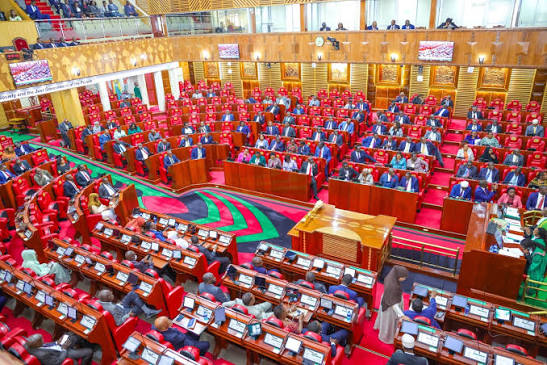
Dr Nyikal is a medical dctor and chair of the health committee in the National Assembly, and the proposal is expected to generate a national conversation in the coming days.
If it sails through, the proposed legislation will move the conversation away from courtroom battles and public accusations towards certainty established early in a child’s life.