By Nyang’au Araka
The Council of Governors (CoG) has urged counties to heighten vigilance and intensify public sensitisation on Ebola prevention following confirmation of Kenya’s first case of Bundibugyo virus disease.
Vice-chair Muthomi Njuki said counties would work closely with the national government to strengthen preparedness and prevent further transmission, including by reviving basic disease-prevention practices among residents.
Also Read
Njuki said many people had neglected simple measures such as regular handwashing, leaving communities vulnerable to infectious diseases.
“Most residents in the counties have neglected the core values of disease prevention such as hand washing,” Njuki said while officiating seed distribution in Tharaka Nithi ahead of the expected October-December rains.
He said counties would also rely on facilities and systems established during the Covid-19 pandemic to prepare for any eventuality.
Kenya confirmed its first imported Bundibugyo Ebola case on Tuesday after a Kenyan citizen who had been living in the Democratic Republic of Congo for seven years died while receiving treatment in Nairobi.
The patient travelled from the DRC through Kampala before arriving in Nairobi on October 3, 2026, and was quickly isolated after being taken to a Nairobi hospital.
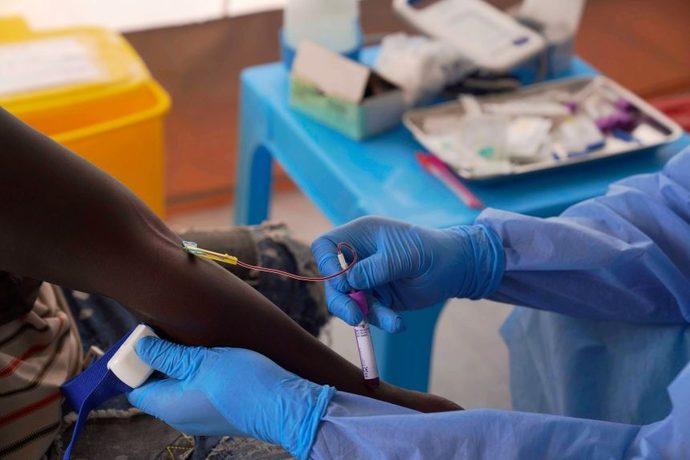
The World Health Organization (WHO) saays Ebola spreads through direct contact with the blood or body fluids of an infected person, or contaminated materials.
WHO recommends a package of measures including early identification and isolation of suspected cases, contact tracing, laboratory testing, infection prevention and control, and safe and dignified burials.
The organisation emphasises regular hand hygiene, avoiding direct or close contact with sick people and avoiding contact with blood, body fluids, clothing, bedding or other materials that may have been contaminated.
WHO also recommends that contacts of suspected, probable or confirmed cases have their health monitored for 21 days after their last known exposure.
Anyone developing symptoms should be promptly assessed, isolated, tested and cared for.
In health facilities, WHO calls for proper triage and isolation, continuous infection-prevention training for healthcare workers and correct use of personal protective equipment (PPE), including measures to prevent exposure to patients’ blood and body fluids.
The agency also recommends hand-hygiene facilities at critical community locations such as schools, churches, markets, bars, local gathering places and points of entry.
Kenya has so far identified 28 contacts linked to the confirmed case, including family members and healthcare workers, while authorities are tracing 23 passengers and four crew members who travelled on the same flight as the patient.
Already, WHO has supported Kenya with isolation preparedness in 27 high-risk counties, Ebola testing supplies and PPE kits.
The CoG called on counties to turn preparedness into community-level action, with residents urged to maintain hand hygiene, report illness promptly and avoid practices that could expose them to infected body fluids.
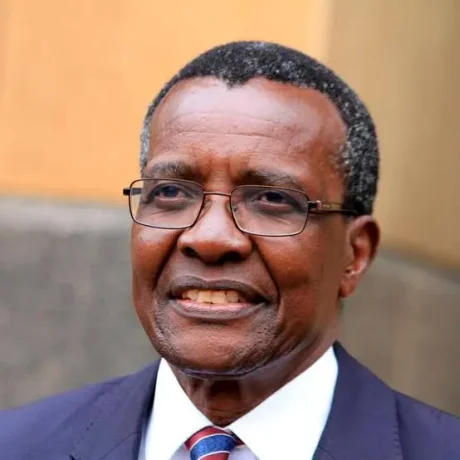
Meanwhile, former Chief Justice David Maraga has questioned the government’s preparedness and response following confirmation of Kenya’s first imported Ebola case.
Maraga questioned the effectiveness of measures at the country’s points of entry, particularly how the patient was able to pass through airport screening despite reportedly having been unwell for several weeks.
He also raised questions about earlier government preparedness measures, including plans for a 50-bed Ebola quarantine facility at Laikipia Air Base.
Maraga said the government should prioritise measures aimed at protecting Kenyans from public health threats and provide support to people identified as contacts.