By Mandere Onyinkwa
The Ministry of Health has warned households, food vendors and businesses to tighten food and water safety measures ahead of expected enhanced rains.
The Ministry cited the increased risk of contamination, food spoilage and outbreaks of waterborne diseases.
Also Read
In an advisory, the State Department for Public Health and Professional Standards said heavy rains, flooding and high humidity could increase the risk of illnesses including cholera, typhoid and aflatoxin poisoning.
The warning comes as Kenya prepares for the October–December rains.
The Kenya Meteorological Department has published the 2026 OND seasonal forecast and county-specific forecasts, while its recent climate outlook has pointed to a likely El Niño signal towards the end of the year, with potential for enhanced rainfall and flooding in vulnerable areas.
“Prevention is better than cure,” the Ministry said, urging Kenyans to prepare before the rains intensify.
It warned that floodwater could mix with sewage and contaminate shallow wells, boreholes and water distribution systems, particularly in low-lying areas.
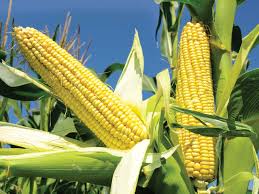
The Ministry also raised concern over food stored in humid conditions, saying mould could grow rapidly on maize, groundnuts and animal feeds, increasing the risk of aflatoxin contamination.
During the 2024 floods, the Ministry identified contaminated food and water as major contributors to foodborne illnesses and specifically warned that heavy rains could exacerbate aflatoxin contamination of maize, cereals and pulses.
The latest advisory asks households to clean and cover water storage tanks and jerrycans, keep drinking water in a separate covered container and stock water-treatment products such as chlorine tablets.
Kenyans have also been advised to ensure maize, maize flour, groundnuts and beans are completely dry before storage and to keep them off the floor, preferably on shelves or pallets and in airtight containers.
The Ministry warned that power interruptions during heavy rains could also disrupt refrigeration, leading to spoilage of milk, meat and cooked food.
Markets face additional risks as flooding may expose food to dirty water, mud and flies.