By Ongaga Ongaga
For years, girls facing female genital mutilation in remote Kenyan villages may have suffered in silence, with some cases never reaching hospitals, police stations or rescue centres.
That gap in reporting has now raised concern among MPs and anti-FGM campaigners in Narok, who say the country could be relying on incomplete statistics to understand the scale of the practice and plan interventions.
Also Read
The National Assembly Departmental Committee on Social Protection has called for expanded grassroots research and data collection, saying information gathered from health facilities alone may leave out many girls and women affected by FGM.
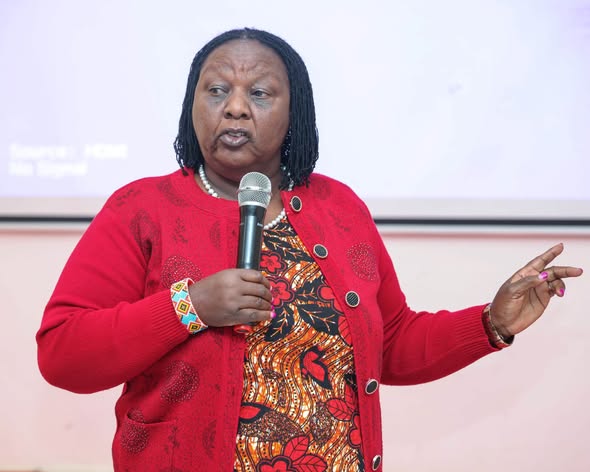
Speaking during an Anti-FGM consultative meeting in Narok on Tuesday, Narok North MP Agnes Pareyio said the fight must reach “the deepest parts of our villages” if authorities are to understand the true extent of the practice.
“The eradication of FGM needs collaborative efforts from all quarters, and that includes in-depth research and data collection from the deepest parts of our villages,” Pareyio said.
The former Anti-FGM Board chairperson said collecting data should go hand in hand with protecting survivors and ensuring that those responsible face the law.
“This is a long process that should not end at rescuing the victims,” she said, calling for survivors to be taken to safety, supported to continue their education and perpetrators held accountable through arrest and prosecution.
Kapenguria MP Samuel Moroto said many existing figures are generated from hospitals, potentially leaving out cases that never enter the formal health system.
“Most of the victim numbers available are obtained from hospitals,” Moroto said, urging the Anti-FGM Board to reach communities where information about cases is less likely to be recorded.
The Anti-FGM Board, led by Acting CEO Nyerere Kutwa, meanwhile asked Parliament for increased resources to sustain safe houses, rescue centres and survivor services, while also proposing stronger Gender Desks in police stations.
Narok’s Anti-FGM Steering Committee wants the county to establish a GBV data dashboard bringing together information from police, health facilities, safe houses, the Office of the Director of Public Prosecutions, the Gender Department and other partners.
It also proposed a 24-hour referral pathway connecting police reporting, medical examination, prosecution and judicial support, alongside a rapid-response mechanism involving chiefs, police, gender and children’s officers.