By KPC Reporter
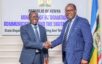
The East African Community (EAC) has formally ushered in new leadership following a handover ceremony held at its headquarters in Arusha.
The event marked the transition from outgoing Secretary General Veronica Nduva to incoming Secretary General Stephen P. Mbundi, in a ceremony attended by EAC organs, institutions, development partners and key stakeholders.
Also Read
Uganda’s Minister of State for EAC Affairs, James Magode Ikuya, presided over the event as chief guest, representing Vice President Jessica Alupo.
Speakers at the ceremony paid tribute to Nduva’s tenure, which lasted 22 months, citing notable progress in advancing regional integration, strengthening EAC institutions and deepening cooperation among partner states.
Officials noted that her leadership helped steer key policy and operational frameworks within the bloc, reinforcing collaboration across member countries at a time of evolving regional priorities.
Staff and stakeholders also used the occasion to bid farewell, acknowledging what they described as her “remarkable contributions” to the Community.
The incoming Secretary General, Ambassador Mbundi, takes over at a time when the EAC is seeking to accelerate economic integration, boost intra-regional trade and enhance political cooperation among its member states.
In a statement, the regional bloc expressed confidence in Mbundi’s leadership, saying his tenure is expected to build on ongoing efforts to realise the EAC’s vision of a “prosperous, competitive, secure and politically united East Africa.”
The ceremony underscored the importance of continuity in leadership, with officials emphasizing that the transition reflects the Community’s commitment to unity and shared regional goals.
The EAC, which brings together countries in East Africa, continues to play a central role in driving integration through common market policies, infrastructure development and cross-border cooperation.
The leadership change comes as the bloc faces both opportunities and challenges, including expanding membership, harmonising policies and strengthening institutions to meet the demands of a growing regional economy.
The handover, officials said, signals not just a change of guard, but a renewed push towards deeper integration and collective prosperity for the region’s citizens.