By Nyang’au Araka
For half a century, Fred Obachi Machoka has been been the soundtrack of Kenyan homes, the voice that introduced generations to music, culture and conversation, and a familiar companion on radio and television across changing eras.
Now, as he marks 50 years in broadcasting, Kenya’s media fraternity is preparing to celebrate not just a man, but a legacy.
Also Read
The Media Council of Kenya (MCK) has thrown its weight behind preparations for Machoka’s Golden Jubilee celebrations scheduled for September, describing the veteran broadcaster’s journey as a gateway to honouring the pioneers who built Kenya’s media industry.
From the days of analogue radio to today’s digital platforms, Machoka has remained a constant presence, adapting with the times while maintaining the charisma that endeared him to millions.
He currently hosts RogaRoga, a weekend music show that is arguably the most popular on Kenyan television and radio.
His longevity in an industry known for fleeting fame has made him one of Kenya’s most recognisable media personalities.
Yet for Machoka, the upcoming celebration is about much more than personal achievement.
“When a profession honours its veterans, it tells every journalist and broadcaster still on duty that their work has worth beyond the day’s bulletin,” he said.

The veteran broadcaster reflected on the sacrifices made by journalists over the decades, many of whom helped shape the industry but faded from public attention after retirement.
He believes their stories, lessons and experiences deserve preservation.
That thinking aligns with a new initiative being spearheaded by the Media Council of Kenya.
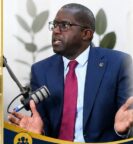
Speaking during the launch of the celebrations, MCK Chief Executive Officer David Omwoyo said the milestone would be used to create a structured framework for recognising media veterans, documenting their contributions and harnessing their expertise to mentor young journalists.
“The event aims to celebrate both the past achievements of veterans and their future contributions. The goal is to create a legacy that will outlive the current generation and benefit future journalists,” Omwoyo said.
He noted that the media industry must move from “brain drain” to “brain gain” by ensuring veteran journalists continue sharing their knowledge and professional values.
For Machoka, whose distinctive style made him a household name, mentorship is a cause close to his heart.
He said the partnership with the media regulator would help establish masterclasses and industry engagements where upcoming journalists can learn directly from seasoned practitioners.
“The event is not a personal celebration but a tribute to all who contributed to the media industry,” Machoka, who is a member of the Kisii Press Club (KPC) advisory board, said.

The celebration is expected to bring together media practitioners, industry leaders and rumba musicians from across Africa, reflecting Machoka’s long association with African music and culture.
Beyond the festivities, the event has sparked a broader conversation about the welfare of retired journalists.
Veteran journalist Lee Njiru highlighted the struggles many media practitioners face after leaving active service and welcomed proposals for a welfare framework to support them.
Kenya Editors Guild(KEG) President Zubeida Kananu also stressed the importance of safeguarding mainstream media while tapping into the experience of veteran journalists to nurture the next generation.
Those who know Machoka say his greatest contribution extends beyond the microphone.
Through five decades of broadcasting, he has become a living bridge between generations — connecting pioneers who worked with reel-to-reel tapes and young journalists navigating artificial intelligence, social media and digital newsrooms.
In an era obsessed with what is new, Machoka’s enduring relevance is a reminder that experience still matters.
His voice may have entertained millions, but his legacy lies in proving that journalism and broadcasting are not merely careers — they are public service.