By KPC Reporter
The Madaraka Day celebrations in Homa Bay County were overshadowed by troubling reports of violence, intimidation, and restricted access against journalists, raising serious concerns about press freedom in Kenya.
What was meant to be a moment of national unity turned chaotic at Raila Odinga Stadium, where members of the media were allegedly assaulted by security officers despite holding valid accreditation.
Also Read
Among those affected were Ephantus Maina (Royal Media Services), Mable Achieng’ (Nation Media Group), Francis Kakai (TV47), and Elizabeth Mutuku (TV47). Some required medical attention from Red Cross personnel for injuries sustained in the scuffle.
Amid the unrest, opportunists seized the moment to steal phones, laptops, and other equipment from journalists.
Access to the stadium was fraught with uncertainty, leaving many reporters fearing for their safety even after the event concluded.
Concerns about media suppression escalated further following an incident at State House Nairobi on May 31, where KTN journalists Rashid Iddi and Okumu Madocha were barred from covering a Kenya-Slovenia media briefing featuring President William Ruto and Slovenian President Nataša Pirc Musar.
Their names were missing from the accredited list, and repeated attempts to reach the Director of Media Relations at State House went unanswered.

In response, the Media Council of Kenya (MCK) issued a strong condemnation, warning that such actions threaten Kenya’s constitutional guarantee of press freedom under Article 34.
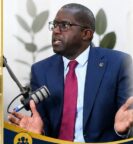
MCK CEO David Omwoyo Omwoyo stressed that journalists must have unrestricted access to state functions, stating, “Excluding journalists from crucial events limits the diversity of perspectives and undermines fair coverage, particularly in a media landscape that thrives on competition and public scrutiny.”
With growing concerns over intimidation and obstruction, media organizations and journalists are demanding accountability and immediate reforms to safeguard their rights.
The MCK insists that journalists must be allowed to perform their duties without fear of harassment, urging authorities to uphold press freedom and prevent further violations.
These recent incidents highlight the persistent challenges facing Kenya’s media industry.
As journalists continue their fight for unrestricted access and safety, the nation watches closely, hoping for swift and decisive action to uphold press freedom.