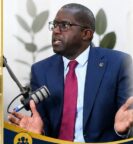
By Isaiah Kariuki
Principal Secretary for Broadcasting and Telecommunications, Stephen Isaboke, has warned that the growing weaponisation of artificial intelligence poses a serious threat to democratic stability and public trust across Africa.
Speaking at the Connected Africa Summit 2026, Isaboke said AI is already reshaping economies, governance, and information systems, placing African countries at a critical decision point on how to manage the technology’s risks and opportunities.
Also Read
He cautioned that the increasing use of AI tools—such as deepfakes, manipulated content, and coordinated digital interference—was undermining public discourse and eroding institutional credibility.
“These threats go beyond technology; they strike at the foundation of social cohesion and democratic stability,” he said.
Isaboke outlined Kenya’s response through the planned National Artificial Intelligence Strategy (2025–2030), which aims to strengthen detection of manipulated content, enhance regulatory frameworks, and improve collaboration with global digital platforms to enforce accountability.

At the same time, he said the government is investing in digital skills development and integrating AI and data science into the education system to prepare a future-ready workforce.
Initiatives such as Jitume Hubs are already equipping young people with practical digital skills, positioning them to actively participate in the digital economy.
The PS emphasized that Africa must shift from being a consumer of digital technologies to a producer of globally competitive innovations by leveraging local data and developing solutions tailored to the continent’s needs.
He added that building trust in digital systems and ensuring technological sovereignty would be key to the responsible deployment of AI.
“Responsible AI is not just a technical issue—it is a policy, ethical, and societal imperative,” Isaboke said.
He noted that while AI presents significant opportunities for economic growth and improved service delivery, failure to manage its risks could deepen existing inequalities and vulnerabilities.