By OMBOKI MONAYO
A cloud of uncertainty hangs over the various public health facilities that provide free antiretroviral therapy (ART) to people living with HIV in Kennya.
The programme, which was heavily funded by American donors is facing a significant funding shortfall after US President Donald Trump suspended the country’s aid to foreign countries for 90 days immediately after assuming office on January 20, 2025.
Also Read
The suspension has particularly impacted the President’s Emergency Plan for AIDS Relief (PEPFAR), posing significant challenges to Kenya’s HIV programs.
This decision which is part of a broader review of U.S. foreign assistance policies, has raised alarms among health officials and advocates who fear it could reverse years of progress in combating HIV/AIDS in the country.
PEPFAR has been instrumental in providing life-saving antiretroviral therapy (ART) to millions of people living with HIV in Kenya.
As of 2024, the program was supporting approximately 1.4 million Kenyans with ART, alongside vital services such as HIV testing and prevention programs aimed at reducing mother-to-child transmission of the virus.
PEPFAR has been credited with preventing millions of AIDS-related deaths globally and has played a crucial role in Kenya’s public health strategy since its inception in 2003.

The immediate impact of Trump’s aid suspension is profound.
The freeze affects not only the provision of ART but also the livelihoods of over 25,000 healthcare workers and community health volunteers who rely on PEPFAR funding for their salaries and operational costs.
These workers are often the backbone of healthcare delivery in rural areas, where they provide essential services to those who might otherwise lack access to care.
The suspension could lead to job losses and a reduction in healthcare services, exacerbating an already challenging public health landscape.
One worrying aspect of the suspension is the threat it poses for particularly vulnerable populations, including pregnant women living with HIV.
Current estimates indicate that around 679,936 pregnant women receive ART through PEPFAR to prevent transmission to their infants.
Without continued support, it is projected that approximately 135,987 infants could be born with HIV during the 90-day funding freeze if mothers are unable to access necessary treatment.
This situation underscores the critical nature of uninterrupted healthcare access for managing HIV transmission risks.
Beyond direct HIV treatment, the aid suspension will disrupt various related health initiatives.
For example, PEPFAR supports cervical cancer screening for women living with HIV, a service that has become increasingly vital given the higher incidence rates of cervical cancer among this group.
In 2024 alone, over 2.6 million women were screened for cervical cancer through PEPFAR-funded programs.
The cessation of these services could lead to a significant rise in undiagnosed cases and preventable deaths.
Additionally, the suspension impacts efforts against gender-based violence (GBV), which is prevalent among women living with HIV.
PEPFAR provided critical support services for GBV survivors; halting this funding may leave many without necessary medical care and psychological support.
In response to these challenges, Kenyan health officials have assured citizens that they have sufficient stocks of antiretroviral drugs for at least six months and are exploring alternative funding sources to mitigate the impact of the U.S. aid freeze.
The Kenyan government has guaranteed a sufficient supply of antiretroviral drugs (ARVs) for HIV/AIDS patients, despite the US cutting foreign aid.
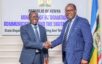
Medical Services PS Harry Kimtai made this announcement on January 29, 2025 after a meeting with the Kenya Bureau of Standards (KEBS) in Naivasha.

The Ministry plans to reallocate funds to critical health programs, ensuring their sustainability.
On January 29, 2024, Medical Services PS Harry Kimtai expressed confidence in the availability of ARVs in the country, stating: “They need not worry because we will sit down with Treasury to make sure we continue funding to support those receiving ARVs, malaria treatment and TB. It’s a question of adding additional sources through the Treasury.”
He also confirmed that there are enough ARV drugs to cater to over 1.4 million people living with HIV/AIDS.
The Ministry of Health is actively engaging with other international partners and private sector stakeholders to secure resources necessary for sustaining essential health services.
However, while these measures may provide temporary relief, they cannot fully compensate for the loss of PEPFAR funding or address the systemic issues that arise from such a sudden withdrawal of support.
The long-term sustainability of Kenya’s HIV programs will depend heavily on securing new funding streams and maintaining robust healthcare infrastructure.
Trump’s suspension of foreign aid represents a significant turning point for global health initiatives, particularly those aimed at combating HIV/AIDS in low- and middle-income countries like Kenya.
The potential reversal of progress made over two decades could have dire consequences not only for individuals living with HIV but also for broader public health outcomes across the nation.
As stakeholders navigate this tumultuous landscape, the need for innovative solutions and international solidarity becomes increasingly critical to safeguard the health and well-being of millions at risk.