By Mandere Onyinkwa
Religious leaders have challenged political leaders to respond urgently to the growing economic hardship facing Kenyans, warning that rising costs of living and corruption are straining the social fabric.
Speaking at Consolata Shrine in Westlands during the Way of the Cross observances, parish priest Father Joseph Musito said many Kenyans are grappling with tough economic conditions, limited opportunities and what he described as “runaway corruption” that continues to erode public trust.
Also Read
The clergy used this year’s Stations of the Cross to draw parallels between the suffering of Jesus and the daily struggles of ordinary citizens.
Through dramatized reflections, the messages were contextualized to modern realities, highlighting issues such as joblessness, inequality and the broader global crises affecting livelihoods.
Father Deogracious Kibiringo said this year’s observance was also dedicated to the ongoing conflict in the Middle East, which has claimed thousands of lives and contributed to global economic uncertainty.
“We are reflecting not only on spiritual suffering but also on the real pain people are experiencing today—both locally and globally,” he said.
The clergy warned that the combination of economic strain and corruption risks deepening public frustration if not addressed decisively.
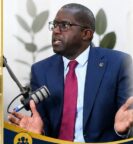
Mwingi West MP Charles Nguna, who attended the event, echoed the call and urged leaders across the political divide to prioritize policies that ease the burden on citizens.
He called on lawmakers to remain steadfast in pushing for justice, accountability and legislation aimed at improving livelihoods.
The remarks come at a time when many households across the country are struggling with high food prices, increased taxation and a challenging business environment, placing pressure on leaders to deliver tangible solutions.