By Nyang’au Araka
A diplomatic and media storm is brewing after the cancellation of RightsCon 2026 in Lusaka, with Africa’s top editors now escalating the dispute by announcing a boycott.
The African Editors Forum (TAEF) accused the Zambian government of orchestrating a last-minute shutdown of the high-profile conference, describing it as a calculated assault on free expression disguised as bureaucracy.
Also Read
In a statement sent to our news desk, TAEF directly called out the Zambian government, framing it as a blow to democratic freedoms and global dialogue.
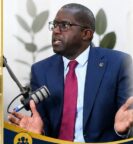
Churchill Otieno, President of the forum said, “The language of ‘postponement’ cannot disguise the truth. This was state pressure dressed as procedure.”
RightsCon—one of the world’s leading platforms for discussions on digital rights, human rights, and free expression—had been set to bring thousands of delegates to Lusaka.
Its abrupt cancellation, just days before the event, has drawn sharp criticism and raised concerns about shrinking civic space.
Otieno warned that the implications go far beyond a single conference.
“Any demand that a rights conference align with official ‘national values’ turns the state into the arbiter of legitimate speech and should alarm every defender of democracy,” he said.
TAEF has now confirmed it will boycott all planned convenings in Lusaka, a move Otieno described as principled rather than punitive.
“This boycott is not against the people of Zambia. It is for them,” he stated, emphasizing solidarity with civil society, journalists, and citizens affected by the decision.
The fallout has cast a shadow over Zambia’s international standing, with what was expected to be a landmark continental gathering now seen as a missed opportunity.
“Africa does not need governments that host the world with one hand and silence it with the other,” Otieno added, in one of the statement’s most pointed lines.
TAEF is also demanding accountability, with Otieno calling on authorities to come clean over the cancellation.
“We call on the Zambian Government to give a full and honest account of the circumstances that led to this cancellation, apologise to the organisers and partners, and provide credible guarantees that Zambia remains committed to freedom of expression and open civic debate,” he said.