By GPC Reporter
A rhino browsing, elephants moving across the plains and lions beginning their hunt in Kenya can now be watched live by audiences thousands of kilometres away, without a film crew directing the action.
That is the experience Kenya is taking to the world through a new six-month wildlife streaming initiative that puts the country’s wild places and conservation work on screens across the globe.
Also Read
The Kenya Wildlife Service (KWS) and Kenya Tourism Board (KTB) have launched Experience Wonder – Live From Kenya, giving viewers an opportunity to watch wildlife and conservation activities as they happen in Kenya.
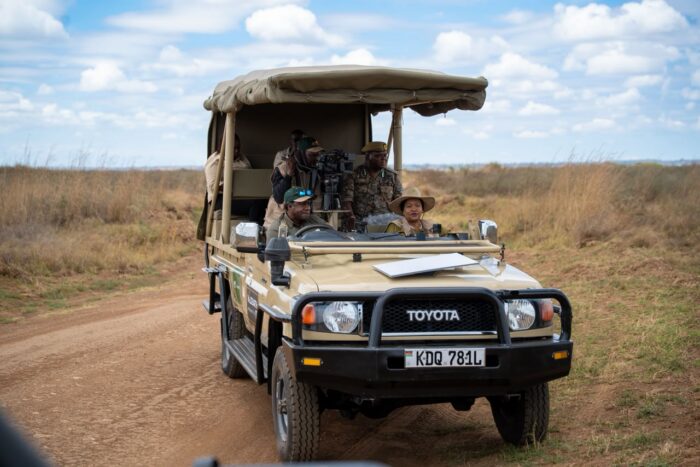
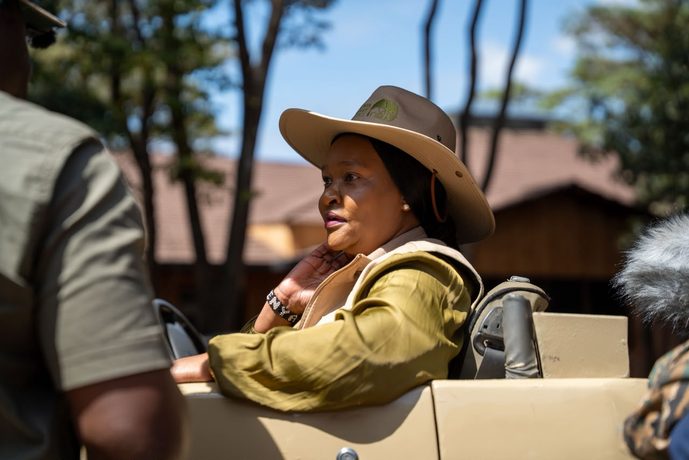
The initiative was officially highlighted on Tuesday at Nairobi National Park by Tourism and Wildlife Cabinet Secretary Rebecca Miano, who said the virtual experience was intended to complement, rather than replace, the traditional safari.
“Virtual tourism does not replace the physical safari. It creates curiosity, builds connection and inspires people to come and experience Kenya for themselves,” Miano said.
The broadcasts, which began on September 7, have already attracted more than 500,000 unique viewers daily across 16 global platforms, including DStv, YouTube, Samsung TV Plus and Roku.
Unlike conventional wildlife documentaries, which are edited and packaged after filming, the live broadcasts offer viewers a window into unscripted moments in Kenya’s protected areas.
One moment may show an animal moving through the bush, while the next could offer a glimpse of rangers at work, scientists monitoring wildlife or conservation teams responding to the challenges of protecting animals and their habitats.
“For KWS, this initiative is about showing the world the daily reality of conservation in Kenya – our rangers on patrol, our scientists monitoring wildlife, and the communities who share this land with our wildlife,” KWS Director General Prof Erustus Kanga said.
The launch came as the world marked World Rhino Day, placing particular attention on rhino conservation at Nairobi National Park and other protected areas.
The live broadcasts will move through several KWS-managed destinations during the six-month programme, including Nairobi National Park, Amboseli, Tsavo East and Tsavo West, the Aberdares, Sibiloi, Meru, Ruma and Mount Elgon.
The cameras will not only focus on Kenya’s most famous wildlife destinations but will also introduce audiences to lesser-known places, communities and conservation initiatives.
From November, the programme will take another step by introducing curriculum-linked virtual school safaris, allowing students in Kenya and other parts of the world to connect with the country’s wildlife and conservation story without having to travel to a national park.
KTB chief executive officer June Chepkemei said the broadcasts would also give audiences a glimpse of experiences beyond wildlife, linking the virtual safari to the wider tourism opportunities available across Kenya.
For a viewer sitting at home, the experience may begin simply as a few minutes of watching wildlife on a screen, but for Kenya’s tourism and conservation agencies, the bigger ambition is to turn that curiosity into a desire to see the country first-hand.
Kenya is seeking to take safari beyond the traditional game-drive vehicle, allowing the world to watch the country’s wild unfold in real time — and perhaps inspiring some viewers to eventually make the journey themselves.