By Nyang’au Araka
By mid-morning, a young female reporter is already juggling interviews, deadlines, and the calculation of risk—online abuse, newsroom bias, and the pressure to be heard in spaces where women are still underrepresented.
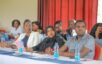
This is one of the everyday reality that dominated conversations at the Association of Media Women in Kenya (AMWIK) annual conference, where industry leaders called for urgent, concrete action.
Also Read
The Media Council of Kenya (MCK) urged regulators and media houses to move beyond rhetoric and enforce standards that protect female journalists.
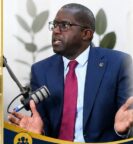
MCK Chairman Maina Muiruri warned that media regulation risks losing credibility without decisive enforcement.
“Standards alone are useless without the will to enforce them,” he said.

Muiruri noted that the media industry is grappling with digital disruption and declining public trust, challenges that are compounded by the underrepresentation of women in editorial leadership—a structural gap he said continues to distort news coverage.
He called for the urgent implementation of long-standing gender equity policies, with clear timelines, measurable outcomes, and penalties for non-compliance.
“Policies affecting women cannot remain aspirational documents while barriers persist,” he said.

AMWIK Executive Director Queenter Mbori brought the conversation back to the lived experience of women in media, emphasizing the mental resilience required to navigate a rapidly changing industry.
She also announced an upcoming policy report outlining sector reforms and revealed plans to expand the conference into a continental event.
“Find a woman in every story. That is how we create real impact and inclusivity,” she said.

Kenya Union of Journalists (KUJ) Secretary General Eric Oduor warned that female journalists face threats both within and outside newsrooms, risks that tend to escalate during election periods.
He called for a review of the Media Act to strengthen AMWIK’s role and urged greater industry solidarity.
Kenya Editors Guild (KEG) President Zubeida Kananu reinforced the call for safer and more equitable workplaces.
“Let us build a society where women live and thrive without fear,” she said.
The conference is set to conclude with the AMWIK Awards, celebrating excellence in the industry—even as many women journalists continue to push for a newsroom culture that reflects, protects, and includes them.


Editor’s note: The bulk of this story and the accompanying photos were first published by the Media Council of Kenya.