By KPC Reporter
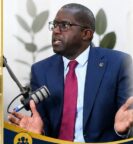
When Clement Nyangacha, Principal of Kebirigo High School, shared a personal story on Facebook, it struck a chord far beyond the school gates.
His post touched on the Ministry of Education’s sweeping directive: no secondary school in Kenya shall withhold KCSE certificates from students over unpaid fees.
Also Read
The directive enforces Section 10(1)(b) of the Kenya National Examinations Council Act, 2012, which prohibits the retention of certificates for any reason, including fee arrears.
But Nyangacha’s story reveals the human face behind the policy.
“A young man approached me… he had scored an A-, but couldn’t join university because he owed the school Kshs 61,050. He was a total orphan.”
Moved by the student’s plight in his former station, Nyangacha released the documents and rallied financial support to help him enroll in university.
Years later, the young man looked for Nyangacha to say “thank you”.
This moment reaffirmed the principal’s decision, despite resistance from the boy’s guardian.
“I remember his aunt threatening me, ‘kwani wewe ndio umepatikana wa kusomesha watoto wa watu wengine.’ I told her off and I have never regretted my action.”
The Ministry’s directive is undeniably a lifeline for students whose dreams stall at the school gate due to poverty.
It’s a win for equity, for access, and for the principle that education should not be held hostage by circumstance.
Yet Nyangacha’s post also raises a cautionary note: “Much as the directive is good… it also makes the lazy able lazier.”
This tension between compassion and accountability is a tough considering that most public schools are burdened by billions in unpaid fees.
Meanwhile, students from well-off families may exploit the loophole, undermining the spirit of the directive.