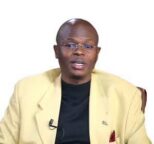
By Godwin Mose
Politics has always been dynamic and it is said that a day is a very long time in that space.
It is an arena where leaders boldly step forward to advance the interests of the common people.
Also Read
That said, not all politicians are leaders, and not all leadership occurs within political contexts.
Anyone involved in governance, activism, or civic life must recognize this.
Many young people enter politics with an expectation and a strong desire to serve the public.
But at the end we often find that politics is very different from what we imagined.
Politics is more like a sport in which gamesmanship, survival, and the consolidation of power exceed genuine leadership.
The system rewards clout and coalition building over substance and meaningful change.
Politics is essentially about interests, not ideals.
The main interest for most politicians is to either retain their existing power or increase it, often at the expense of people’s interests.
By realizing this fact, people can learn to live with and view politics with a pragmatic mindset, rather than through idealism.
Politicians demand total loyalty from their supporters but rarely give it back.
Political loyalty
Young people invest time, energy and resources in leaders who then dump them when they’re no longer useful.
Political loyalty shifts quickly.
Those who were once warmly welcomed are often discarded when needed.
So to survive in this kind of environment, you need to be wise and strategic, and create your own value, build up your network and reputation, and not just be a follower.
Political survival is all about self-preservation.
It is dangerous to be dependent on one movement or politician, because if you switch sides, you will be politically homeless and you will not have a political identity.
Assumptions about change are often wildly unrealistic.
Politicians are often portrayed as able to bring about change at a moment’s notice, but it is important to recognize that bureaucracy, competing interests, and structural barriers severely restrict what is actually achievable.
Incremental change is a long-term process beyond election cycles and requires sustained commitment by all parties.
Majority of us, the young activists and opinion shapers are in fact dependent on politicians for financial support, and this makes us an easy prey for them.
Economic dependence leads to the loss of independence and the inability for a person to make his own decisions.
An activist should try to be financially independent of politics.
“Financial independence is important because it lets you think independently and make decisions without being influenced by others.”
–Godwin Mose
It lets you leave when you want to.
A person who is financially secure is better than a person who is tied by political commitments.
Political change matters a lot less to leaders than institutions and mass mobilization.
Countries that rely too much on politicians go through cycles of disillusionment.
True long-term progress comes from strong institutions, civic engagement, and an educated population.
Leaders must value accountability over personality.
The answer is to push for policy reform, demand accountability, and stay engaged between elections.
When people come together to demand accountability, leaders have no choice but to act in the public interest.
Politics will always be about interests, but informed and strategic engagement is the best way to protect the public interest.
The challenge is to shift away from Praise and worship, and focus on accountability and system change.
Only then can politics be a useful tool for change and not just a recurrent cycle of broken promises.
- The author is a university student specializing in brand positioning and political communication