By Josiah Kariuki
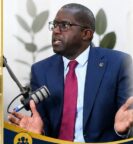
When Stephen Isaboke was appointed Principal Secretary for Broadcasting and Telecommunications in April 2025, he took charge of a docket central to Kenya’s ambitions of expanding digital connectivity, modernizing government communication, and advancing the country’s digital economy.
Fourteen months later, the former corporate executive is overseeing a State Department tasked with strengthening telecommunications infrastructure, supporting digital transformation initiatives, and improving access to technology-driven public services.
Also Read
But over the past week, attention shifted from national policy discussions to Bobasi Constituency in Kisii County, where a series of development activities highlighted the intersection between national leadership and community development.
At the center of the events was the groundbreaking of the KSh62 million Bogesaka DOK Primary and Junior Secondary School project in Masige East Ward.
The project, supported through a partnership with the MPESA Foundation, is expected to provide modern classrooms, science and ICT laboratories, internet connectivity, administration facilities, furniture, and other learning resources aimed at improving education standards in the area.

For local residents, the investment represents a significant boost to educational infrastructure. For Isaboke, it carries an added personal dimension.
Bogesaka DOK is the school where he began his own education journey before advancing to a career that would eventually take him into senior leadership roles across the telecommunications, media, technology, energy, and consumer goods sectors in Africa and the Middle East.
The school project was among several activities that brought together government officials, elected leaders, development partners, and residents during the visit.
Another notable event was a fundraising initiative at St. Charles Ambrose Kabeo Catholic Parish, where leaders from both national and county governments joined worshippers in support of church development projects.
The gathering drew Governor Simba Arati, Members of Parliament, Principal Secretaries, the Solicitor General, and other public officials, reflecting a rare show of cooperation among leaders from different institutions.
While the events were local in nature, they underscored a broader conversation about development and the role of partnerships in delivering public projects.

In recent years, government agencies, private foundations, faith-based organizations, and local communities have increasingly worked together to fund and implement projects that might otherwise take years to realize through public resources alone.
For Bobasi residents, the immediate focus remains on whether the commitments made during the visit will translate into lasting improvements in education and community development.
For Isaboke, whose national responsibilities include overseeing key aspects of Kenya’s communications and digital infrastructure, the visit offered an opportunity to reconnect with the community that shaped his early years while supporting projects aimed at expanding opportunities for future generations.
As construction begins at Bogesaka DOK School and other community initiatives move forward, the true measure of success will lie not in the ceremonies or speeches that accompanied them, but in the long-term impact they have on learners, families, and the wider community.
That, residents say, is where the real story of development will ultimately be told.