The thirst never seemed to end. No matter how much water he drank, Mr. Jackton Agik felt constantly dehydrated. Over time, his health began to deteriorate—his weight dropped dramatically, his energy levels plummeted, and his vision became increasingly blurred. Simple daily activities that once came naturally turned into difficult tasks, yet he could not understand what was happening to his body.
For the 54-year-old teacher from Kombewa, the symptoms developed gradually before eventually disrupting both his health and professional life. What started as persistent thirst and frequent urination progressed to overwhelming fatigue, unexplained weight loss, and worsening eyesight. Concerned about his condition, he sought medical attention, where tests confirmed that he had Type 2 diabetes.
“I was always thirsty and drank a lot of water, but it felt like the water was not helping my body. I would simply urinate it out,” recalls Mr. Agik.
Also Read
Despite drinking more fluids, he continued to experience weakness and episodes of low blood pressure. His appetite became unpredictable, often leaving him hungry soon after eating. His weight dropped from 57 kilograms to 45 kilograms, leaving him exhausted and struggling to maintain his normal routine.
“I had no energy. Managing even simple activities became a challenge,” he says.
His deteriorating eyesight added to his difficulties. Reading, watching television, and even using prescription glasses became increasingly challenging, affecting his work as a teacher and his quality of life.

Following his diagnosis, Mr. Agik was enrolled at the Jaramogi Oginga Odinga Teaching and Referral Hospital (JOOTRH) Prime Care Centre, where he receives regular follow-up care, monitoring, and support to manage his condition. He was started on insulin therapy, although he initially struggled with self-injection due to fear and uncertainty.
“When you start using insulin, you feel anxious because you don’t know what is going to happen next. But after doing it several times, you get used to it,” he explains.
Managing diabetes has not been without challenges. Storing insulin without reliable refrigeration, depending on iceboxes, and meeting the costs of medication and a recommended diet have all placed additional demands on him. However, strong support from his family has helped him navigate these obstacles.
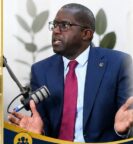
According to Dr. Moses Opondo, a physician at JOOTRH, Mr. Agik’s experience reflects the reality faced by many people living with diabetes, where long-term treatment, lifestyle adjustments, and financial commitment are essential for successful disease management. He notes that emerging technologies such as Continuous Glucose Monitoring (CGM) systems and advanced insulin delivery devices are helping improve diabetes care and patient outcomes.
Mr. Agik’s journey underscores the importance of early diagnosis, timely treatment, and regular medical check-ups. Today, he continues to live with resilience and determination, guided by disciplined self-care, medical support, and renewed hope for the future.
-This story was first published by Jaramogi Oginga Odinga Teaching and Referral Hospital (JOOTRH).