By Ongaga Ongaga
The Law Society of Kenya has called for a full investigation into the death of 24-year-old Brian Njung’e, a student at Kiambu National Polytechnic, who died while in detention at Kiambu Police Station under circumstances described as “deeply suspicious.”
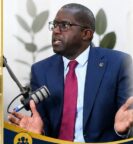
In a statement issued on Saturday, LSK President Charles Kanjama said the State bears full constitutional responsibility for the safety of any person placed in police custody.
Also Read
“When a citizen is arrested, the State assumes a strict, non-delegable constitutional custodial duty of care over their life and physical integrity,” he said.
“A police cell must never become a place of unexplained fatality.”
Reports indicate that Brian, an architecture student, had been arrested over alleged theft claims before being booked at the station.
According to family accounts and human rights activists, he contacted his mother shortly after his arrest.
The family later claimed they were denied access to him before police informed them that he had allegedly died by suicide inside the cells.
The incident has sparked renewed scrutiny over deaths occurring in police custody in Kenya, with rights groups demanding transparency and independent investigations.
Kanjama said the reported denial of family access shortly before news of the death emerged raised serious concerns that required public disclosure and accountability.
“The circumstances presently being reported… make it imperative that there be full accountability and public disclosure of the facts,” he stated.
The LSK said it is engaging Brian’s family to provide legal support and push for a mandatory public inquest into the death.
“We will not permit the normalization of custodial deaths or the evasion of administrative accountability,” Kanjama added.