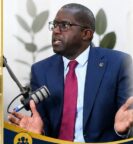
By Stephen Isaboke
In today’s digital age, we are witnessing a dramatic shift in how information is created, shared and consumed. While technology has placed unprecedented amounts of information at our fingertips, it has also made it increasingly difficult for citizens to distinguish verified truth from sophisticated digital falsehoods.
As I stated during the Connected Africa Summit 2026 in Nairobi, this challenge is no longer merely an internet problem. It is rapidly becoming a threat to national stability, democratic trust and social cohesion.
Also Read
The rise of artificial intelligence has introduced new and dangerous dimensions to misinformation. Deepfakes, AI-generated propaganda, automated cyberattacks and algorithm-driven disinformation campaigns now have the power to manipulate public perception, incite unrest and weaken institutions. AI weaponization is no longer confined to military battlefields; it is increasingly targeting the digital spaces where citizens form opinions, access information and engage in public discourse.
Kenya is particularly vulnerable because of its high internet and social media usage. Research indicates that more than 72 per cent of Kenyans are concerned about unverified news, while the country’s 18.4 million active social media users spend an average of four hours online daily — double the global average. In such an environment, digital platforms can easily become arenas for cognitive warfare where confusion and mistrust are deliberately engineered.
One of the most overlooked dangers is the linguistic blind spot in global AI systems. Most AI moderation tools are built primarily around English-language content, making them less effective at detecting harmful narratives spread through Kiswahili and indigenous African languages. This leaves African societies exposed to digital threats that may go undetected by global systems.

That is why Kenya must embrace digital sovereignty. We must develop the capacity, expertise and infrastructure to protect our digital borders using technologies that understand our local realities, languages and values.
The Government’s National Artificial Intelligence Strategy (2025–2030) is designed to move Kenya from being merely a consumer of foreign technologies to becoming a creator of context-sensitive innovations. Alongside AI applications in healthcare, agriculture and economic development, we are strengthening our National Cyber-Defense Framework to detect and neutralize automated digital threats in real time.
We are backing this vision through major investments in digital infrastructure, including the Digital Super-highway project, which aims to lay 100,000 kilometres of fibre optic cable across the country. Complementing this are 1,450 Jitume Hubs being established in every ward to equip young people with advanced digital skills, cybersecurity knowledge and AI ethics training, as well as 25,000 public WiFi hotspots to expand safe access to the digital economy.
The conversation about regulating AI should not be limited to censorship or restriction. The real question is how to build a digital ecosystem that is secure, transparent and worthy of public trust. By empowering our youth to become creators of technology and ensuring our policies safeguard citizens, Kenya can transform the Age of AI into an era of innovation, opportunity and resilience.
Africa has the opportunity not just to adapt to the digital future, but to help shape it — ensuring that technology becomes a force for progress, truth and inclusive development.
– Stephen Isaboke is the Principal Secretary for Broadcasting and Telecommunications in the Ministry of Information, Communications and the Digital Economy. This opinion was first published here: https://ict.go.ke/opinion-piece-building-digital-trust-kenyas-path-age-ai-weaponization?fbclid=IwY2xjawRySp5leHRuA2FlbQIxMABicmlkETFhU0J6OHFWSXBjd2FpemZVc3J0YwZhcHBfaWQQMjIyMDM5MTc4ODIwMDg5MgABHquwAtpOUFTN9d7ZrCWLSB8cp5tcHnqc8GFHQCzsHL-izETIPjlA3gEfDJes_aem_UHqgfuGuvtF1v2yFUQb_7w